If you have been relying on over-the-counter medications, decongestants, or repeated antibiotic prescriptions to manage what you believe are sinus headaches—yet the pain keeps returning—you are not alone. Many individuals assume their symptoms stem from sinus infections, but research shows that most of these cases are actually migraines. Studies consistently demonstrate that a large percentage of patients who self-diagnose with sinus headaches later learn that their symptoms align far more closely with migraine disorders.

This confusion has far-reaching effects. Misdiagnosed patients often go months or even years undergoing treatments that never address the true source of their discomfort. Unnecessary antibiotics, ineffective nasal sprays, and persistent frustration become common patterns. For residents of Florida, the challenge is even more distinct. High humidity, intense seasonal allergens, and common environmental irritants can mimic sinus disease while simultaneously triggering migraine attacks, making an accurate diagnosis essential.
Florida Sinus & Snoring Specialists, led by Dr. Lee Mandel, offers a clear path forward. Through advanced diagnostic tools and extensive experience in differentiating sinus pathology from neurological headache conditions, our team helps patients finally understand the true cause of their symptoms. With the right diagnosis, meaningful and lasting relief becomes possible.
If lingering head pressure, facial pain, or congestion-like symptoms continue to disrupt your daily life, it may be time to reevaluate the cause. Connect with our ENT specialist at 954-983-1211 to receive a precise diagnosis and a treatment plan tailored to your condition.
What Causes Sinus Headaches?
Sinus headaches arise from inflammation within the air-filled cavities in your facial bones. These spaces include the frontal sinuses in the forehead, maxillary sinuses in the cheeks, ethmoid sinuses between the eyes, and sphenoid sinuses located deeper behind the nasal passages. Under normal conditions, these cavities stay open and drain mucus freely into the nasal passages.
When sinusitis develops, the lining of these spaces becomes swollen and inflamed. This swelling can obstruct normal drainage, allowing pressure to build within the sinuses. That pressure stimulates pain receptors and produces the deep, heavy sensation that defines a true sinus headache. The discomfort tends to feel like steady pressure or fullness rather than the pulsating sensation associated with many migraine attacks.
Acute sinusitis often follows a viral upper respiratory infection. Swollen nasal tissues trap mucus inside the sinus cavities, and if drainage remains blocked, bacteria may multiply. A bacterial infection becomes more likely when symptoms last beyond seven to ten days or worsen after initial improvement. During these episodes, patients may experience fever, thick yellow or green mucus, noticeable facial tenderness, and worsening pain when leaning forward.
Chronic sinusitis presents differently. In this form, inflammation lasts for more than twelve weeks. Structural issues such as nasal polyps, a deviated septum, or impaired immune function frequently contribute to ongoing symptoms. Individuals with chronic sinusitis often face persistent nasal congestion, postnasal drip, reduced sense of smell, and enduring facial pressure rather than sharp bursts of pain.
Environmental influences also play a substantial role, particularly in Florida. High humidity supports mold growth and increases dust mite populations. Seasonal allergens are abundant, and many residents experience repeated exposure to pollen and other irritants. Smoke exposure further inflames the nasal passages, and conditions that weaken the immune system heighten vulnerability to recurrent sinus infections.
Migraine Fundamentals: A Neurological Perspective
Migraines are complex neurological events involving changes in brain chemistry, blood vessel dynamics, and sensory processing. They are not simply intense headaches, nor are they caused by sinus disease. While sinus-related discomfort originates from local inflammation, migraines involve widespread alterations in neural pathways and neurotransmitter activity that can influence multiple systems throughout the body.
A migraine attack begins with activation of the trigeminovascular system. During this process, nerve fibers surrounding blood vessels in the brain release inflammatory chemicals, producing the hallmark pulsating pain. These same neural pathways influence regions of the brain responsible for interpreting light, sound, smell, and even touch. As a result, many migraine sufferers experience severe sensitivity to sensory stimulation and often retreat to dark, quiet spaces to reduce symptoms.
Despite popular belief, migraines seldom cause true sinus pressure or congestion. Still, an estimated forty-five percent of patients report at least one nasal symptom, such as a runny nose or watery eyes, during attacks. This occurs because the trigeminal nerve branches involved in migraines also supply the nasal and facial tissues. When these nerves become irritated, they can mimic sinus symptoms even when no sinus infection or inflammation is present.
Migraine triggers differ widely from person to person. Common contributors include stress, hormonal fluctuations, disrupted sleep schedules, specific foods, weather shifts, nasal contact points, and exposure to allergens or nasal irritants. Although allergies can initiate a migraine episode, this does not mean the resulting headache is sinus-related or that antibiotics will be effective.
Genetics further distinguishes migraines from conditions like sinusitis. Many individuals with migraines report a family history of similar patterns, reinforcing the strong inherited component of this neurological disorder. This background often provides clinicians with essential clues when evaluating patients with persistent or recurring head pain.
Also Read: The Link Between Sinus Problems and Fatigue: How Treatment Can Restore Your Energy
Side-by-Side Symptom Comparison
Clear symptom patterns help differentiate sinus headaches from migraines, even though both can involve facial discomfort or nasal symptoms. Recognizing these distinctions allows for more informed conversations with your healthcare provider and increases the likelihood of receiving the correct diagnosis.
Symptoms of Sinusitis
True sinus headaches create deep, steady pain over specific sinus regions, most often the cheeks, forehead, or the bridge of the nose. The discomfort intensifies when bending forward or making sudden head movements because these actions increase pressure within the inflamed sinus cavities. Patients typically describe the sensation as pressure or heaviness rather than a pulsating pain.
Thick, yellow or green nasal discharge is a defining feature of bacterial sinusitis and helps distinguish it from the clear, watery drainage seen with allergies or viral infections. Nasal congestion is usually significant, often making it difficult to breathe comfortably through the nose.
Tenderness or swelling over the sinus areas is common. Pressing gently on the cheeks, forehead, or the space between the eyes may worsen the discomfort. Many patients also experience a reduced sense of smell, diminished taste, and unpleasant breath due to ongoing mucus buildup.
Acute sinus infections often bring systemic symptoms. Fever is more likely when bacteria are involved, and patients may notice tooth pain in the upper molars when the maxillary sinuses are affected. Ear pressure or a sense of fullness may also occur as inflammation disrupts normal drainage pathways.
Symptoms of Migraines
Migraines usually produce throbbing or pulsating pain that often affects one side of the head, although it can occur anywhere from the temples to the back of the skull. The pain is typically moderate to severe and can interfere with daily activities, driving many patients to rest in quiet, dark spaces.
Nausea and vomiting are strong indicators of migraine and help distinguish these attacks from sinus-related discomfort. According to the American Migraine Foundation, answering yes to questions about disability, nausea, and light sensitivity during headache episodes strongly predicts a migraine diagnosis.
Sensitivity to light, sound, and even smells is common during migraine attacks. Bright environments can feel painfully intense, and ordinary sounds may become overwhelming. Some individuals experience an aura before the headache begins. These visual disturbances can include flashing lights, zigzag lines, or temporary blind spots.
Migraine episodes typically last between four and seventy-two hours without treatment. Many patients notice identifiable triggers, such as stress, hormonal shifts, sleep disruption, specific foods, or weather changes. Importantly, individuals usually return to normal between episodes, which contrasts with the persistent congestion and pressure often associated with chronic sinusitis.
| Aspect | Sinus Headache | Migraine |
|---|---|---|
| Pain Quality | Deep, constant pressure | Throbbing, pulsating |
| Location | Face — cheeks, forehead, bridge of nose | One or both sides of head; temples, back of head, or varied locations |
| Duration | Continuous until treated or drainage restored | Typically 4–72 hour episodes (without treatment) |
| Nasal Discharge | Thick, yellow or green mucus | None, or clear/watery nasal discharge or watering eyes (in some cases) |
| Nausea | Rare | Very common |
| Light Sensitivity | Rare | Very common |
| Fever | Often present (if bacterial infection) | Very rare |
| Response to Movement or Posture | Pain worsens when bending forward or with sudden head movement | Pain may worsen with physical activity or movement |
Why Accurate Diagnosis Matters: Florida ENT Specialists’ Approach
Distinguishing between sinus headaches and migraines is far more than a matter of semantics—it is critical to ensuring effective treatment. Misdiagnosis can leave patients enduring months or even years of therapies that provide little relief while the underlying condition remains unaddressed.
When migraines are mistaken for sinus infections, patients often undergo repeated courses of antibiotics that offer no benefit, risk side effects, and contribute to antibiotic resistance. In some cases, individuals undergo multiple sinus procedures or even surgery without improvement, leading to frustration and diminishing trust in the healthcare system.
Conversely, when chronic sinusitis is misidentified as “just migraines,” patients miss targeted interventions that could restore normal sinus function. Structural problems such as a deviated septum or nasal polyps require specialized ENT treatments rather than neurological migraine management.
At Florida Sinus & Snoring Specialists, Dr. Mandel employs a comprehensive approach that accounts for both the complexity of headache disorders and the high prevalence of sinus disease in Florida’s environment. The evaluation begins with a detailed history, exploring headache patterns, triggers, associated symptoms, family history, and responses to prior treatments.
Accuracy is reinforced through objective diagnostic tools that visualize sinus anatomy and detect inflammatory changes contributing to facial pain. This goes beyond relying solely on symptom descriptions, which can be misleading due to overlapping features between sinus headaches and migraines.
This meticulous approach often uncovers mixed conditions, where patients have both sinus disease and migraine susceptibility. Addressing only one factor can leave patients with partial relief. By identifying all contributing causes, Dr. Mandel develops individualized treatment plans that target both sinus-related and neurological components, maximizing the likelihood of lasting symptom resolution.
Dr. Mandel’s Advanced Diagnostic Capabilities
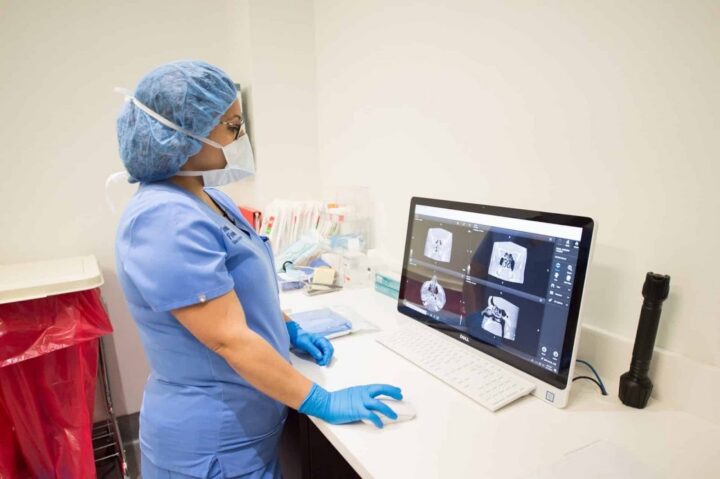
Florida Sinus and Snoring Specialists sets itself apart through state-of-the-art diagnostic technology that delivers immediate, objective evaluation of sinus health—tools often unavailable in primary care or urgent care settings. This advanced approach reduces much of the uncertainty traditionally associated with diagnosing headaches.
In-office CT scanning is one of the practice’s most valuable diagnostic tools. Unlike standard X-rays, which provide limited views, CT imaging produces detailed three-dimensional images of all sinus cavities, revealing mucosal thickening, fluid buildup, structural abnormalities, and blocked drainage pathways that may contribute to facial pain and pressure.
Minimally invasive endoscopic examinations allow Dr. Mandel to directly inspect nasal passages and sinus openings using a thin, flexible scope with high-definition cameras. Performed comfortably in the office under topical anesthesia, this procedure can detect inflammation, nasal polyps, complications from a deviated septum, and signs of active infection that external examinations cannot identify.
Comprehensive allergy testing helps pinpoint environmental triggers that may exacerbate sinus inflammation or provoke migraine episodes. In Florida, year-round exposure to allergens—including mold spores, pollen from diverse plant species, and dust mites thriving in humid conditions—frequently contributes to chronic nasal symptoms that complicate headache diagnosis.
Specialized imaging also evaluates anatomical variants that predispose individuals to recurrent sinusitis. Examples include concha bullosa, where normally solid nasal structures contain air cells, or narrow sinus drainage pathways that may require surgical correction rather than medical therapy alone.
Importantly, these diagnostic tools provide immediate results during the initial consultation. Patients no longer need to wait days or weeks for answers while symptoms persist. Instead, they receive a definitive assessment of their sinus health, enabling prompt initiation of targeted treatments—whether sinus-specific interventions or referral for specialized migraine management.
Targeted Treatment Approaches
Once a precise diagnosis confirms that headaches are sinus-related, treatment can be tailored to address the root causes, providing faster and more lasting relief than generic “headache” remedies.
Minimally Invasive Surgical Options
For patients with chronic or recurrent sinusitis unresponsive to medical management, structural issues may require surgical intervention. Balloon sinuplasty is a highly effective, minimally invasive option that restores normal sinus drainage without cutting or removing tissue.
The procedure is performed in the office under local anesthesia. A balloon catheter is guided into the affected sinus—frontal, sphenoid, or maxillary—often with light fiber or CT guidance. Suction clears the passage, and once correctly positioned, the balloon is gently inflated to dilate the sinus opening. The device is then removed, and the process is repeated for any additional sites. This approach maintains the integrity of sinus tissue while opening blocked pathways, allowing mucus to drain naturally. Often, other structural issues are addressed, such as nasal septum deviation and turbinate hypertrophy that can lead to contact points, a known stimulator of migraine episodes.
Effectiveness and Recovery
Balloon sinuplasty is considered safe, with a complication rate of less than 0.1 percent. Only about five percent of patients require a repeat procedure. Recovery is rapid: most patients return to work within one to two days, and travel is generally possible within two weeks. Success rates are high, and in cases where further intervention is needed, balloon sinuplasty does not preclude additional treatments, including endoscopic sinus surgery if necessary.
Coordinated Care for Optimal Relief
Dr. Mandel’s approach ensures that treatment addresses both active inflammation and any underlying structural factors contributing to chronic sinus issues. By combining medical management with targeted, minimally invasive procedures, patients achieve sustained relief and improved quality of life.
When to Seek Help for Sinusitis (Sinus Infection) Symptoms That Won’t Resolve
Sinus headaches and chronic sinus issues can significantly impact daily life, and early evaluation by a qualified ENT specialist is key to preventing prolonged discomfort and complications. You should consider a professional assessment if you experience any of the following sinusitis symptoms:
- Headaches or facial pressure that persist for more than 7–10 days or recur frequently
- Symptoms lasting eight weeks or longer, indicating potential chronic sinusitis
- Thick, discolored nasal discharge (yellow or green) accompanied by congestion or a reduced sense of smell
- Fever, tooth pain, or ear pressure suggesting an underlying infection
- Headache patterns that do not respond to over-the-counter medications, home remedies, or nasal sprays
Prompt evaluation allows your ENT specialist to determine whether conservative treatments will suffice or if minimally invasive procedures, such as balloon sinuplasty or endoscopic surgery, may be necessary. Early intervention can restore normal sinus function, reduce the risk of complications, and provide lasting relief from persistent sinus headaches.
Get Help Today for Chronic Sinusitis at Florida Sinus & Snoring Specialists
Chronic headaches—whether stemming from sinus issues or other causes—can disrupt every aspect of daily life. The first step toward relief is an accurate diagnosis from a trusted specialist who understands the complexities of sinus and headache disorders. At Florida Sinus & Snoring Specialists, Dr. Mandel and his team provide the expertise, advanced diagnostics, and personalized care necessary to identify the true source of your symptoms.
If you have been struggling with persistent facial pressure, congestion, or recurring headaches despite over-the-counter remedies, it’s time to move beyond guesswork. With state-of-the-art in-office CT scanning, endoscopic evaluations, and comprehensive allergy assessments, we pinpoint the exact cause of your discomfort and develop a treatment plan tailored specifically to your condition.
Whether your sinus headaches can be managed with medical therapy, require minimally invasive procedures like balloon sinuplasty, or need other targeted interventions, our goal is to restore your sinus health and provide lasting relief. Patients often experience rapid improvement, minimal downtime, and a renewed sense of well-being following treatment.
Don’t wait for another day of unnecessary pain. Call Florida Sinus & Snoring Specialists to schedule your comprehensive evaluation and take control of your sinus health today. Let us help you finally find the clarity, care, and relief you deserve.
Frequently Asked Questions
How to clear sinuses at home?
Stay hydrated, inhale steam from a hot shower or bowl of water, use a warm compress on your face, and keep your head elevated while sleeping.
Can weather changes trigger both sinus headaches and migraines?
Yes, barometric pressure changes associated with weather fronts can trigger both conditions through different mechanisms. For sinus-sensitive individuals, pressure changes can affect drainage and increase inflammation in already compromised sinuses. For migraine sufferers, atmospheric pressure fluctuations can trigger neurological changes that precipitate attacks. However, weather-triggered headaches without accompanying thick nasal discharge, fever, or facial tenderness are more likely to be migraines than sinus infections.
How quickly can I expect relief after starting proper treatment?
Relief timelines vary significantly depending on the correct diagnosis and chosen treatment approach. For acute bacterial sinusitis treated with appropriate antibiotics, symptoms often begin improving within 48-72 hours. Chronic sinusitis may require weeks of medical management or surgical intervention for optimal improvement.
Are there any foods or activities I should avoid with sinus headaches?
For genuine sinus conditions, focus on avoiding environmental triggers rather than specific foods. Limit exposure to cigarette smoke, strong chemical odors, and known allergens like pet dander. During active sinusitis, alcohol can worsen inflammation and dehydration. Swimming in chlorinated pools or diving can increase pressure and worsen symptoms. However, if your “sinus headaches” are actually migraines, dietary triggers become more relevant—common culprits include alcohol (especially red wine), aged cheeses, processed meats, and foods containing MSG.
What makes Florida Sinus & Snoring Specialists different from other ENT practices?
The practice combines advanced in-house diagnostic technology with specialized expertise in differentiating sinus disease from other headache causes. Dr. Mandel’s comprehensive approach includes same-day CT scanning, endoscopic evaluation, and allergy testing capabilities that many practices lack. The focus on minimally invasive, office-based procedures reduces treatment time and recovery periods. Additionally, the practice understands Florida’s unique environmental challenges that contribute to both sinus disease and headache triggers. Dr. Mandel is one of the only Rhinologists, an ENT that specializes in nasal and sinus surgery, in South Florida. Always look for the letters F.A.R.S. after your doctor’s name to know that they are a Rhinologist.
Is surgery ever necessary for chronic sinus headaches, and what does it involve?
Surgery becomes necessary when medical management fails to address structural problems causing recurrent sinusitis. Modern techniques like balloon sinuplasty can often be performed in-office under local anesthesia, involving the insertion of a small balloon to open blocked drainage pathways without tissue removal. More extensive endoscopic procedures may be needed for nasal polyps, severe deviated septum, or enlarged turbinates. However, surgery is only beneficial for genuine sinus disease—it won’t help migraine headaches misdiagnosed as sinus problems, emphasizing the importance of accurate diagnosis before considering surgical options.
